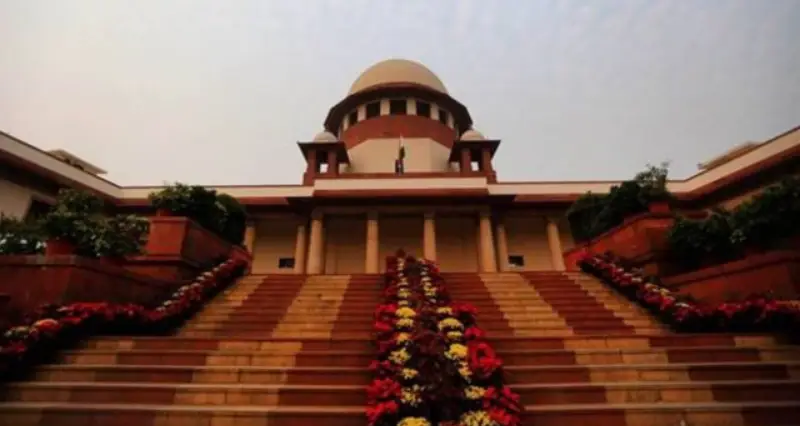
The Supreme Court’s decision not to entertain the plea against the DMK’s signature campaign reflects a broader stance on the NEET issue, which has been contentious in Tamil Nadu for some time. The DMK, a major political party in the state, has been an advocate for the abolition of NEET, citing the distress it causes to students, particularly in Tamil Nadu where many argue that the exam disadvantages students who are educated in regional languages.
In this particular case, the petition sought an injunction against the campaign, urging the state to prevent such activities in schools. The petitioners argued that this campaign could put additional pressure on students who would eventually face the NEET exam, which is a national-level test for admission to medical colleges.
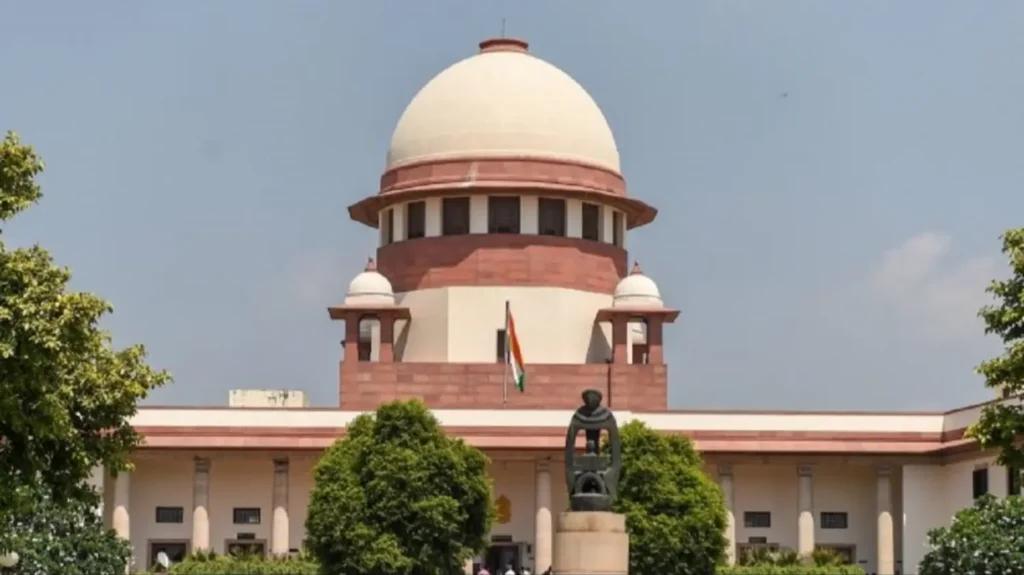
Justice Surya Kant’s comments emphasized the increasing awareness and maturity of today’s students, suggesting that they are more informed than previous generations and capable of understanding the political motives and the nature of such campaigns. This perspective aligns with a broader view that today’s youth are engaged and aware of the agendas that shape political actions, especially when it comes to education and career opportunities.
The case underscores the tension between national-level standardized exams like NEET, which aim to create a uniform admission process, and regional demands for greater autonomy in educational matters. The DMK’s signature campaign was a direct challenge to the national policy, pushing for greater local control over medical admissions in Tamil Nadu.
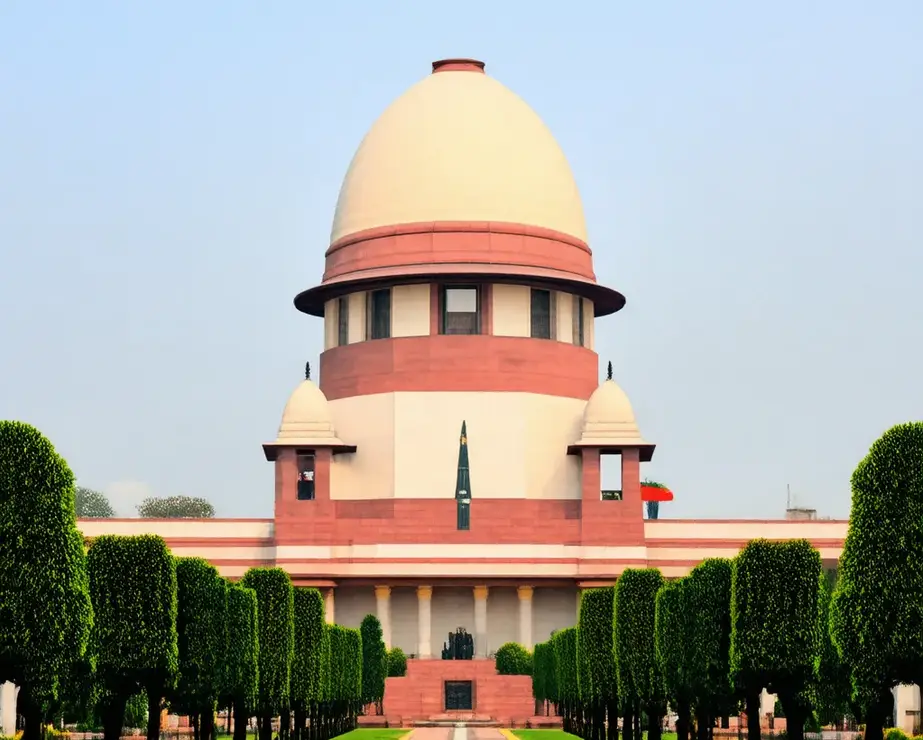
In the broader context, the NEET debate continues to be a divisive issue in India, with some arguing for its abolition due to regional disparities in educational resources, while others see it as essential for maintaining a fair and meritocratic system for medical admissions.