
ICUs are often viewed as intimidating or mysterious spaces, but they play a vital role in saving lives through advanced life-support technologies such as ventilators, monitors, ECMO, and dialysis machines. Kauvery Hospital aims to demystify the ICU experience and highlight its essential role as a cornerstone in critical care.
What is an ICU?
An Intensive Care Unit (ICU) is a specialized area within a hospital designed for treating patients with life-threatening conditions. Staffed by highly trained doctors and healthcare providers, ICUs are equipped with cutting-edge life-support and monitoring equipment, ensuring patients receive the highest level of care.
How is an ICU Different from a Regular Ward?
ICUs differ significantly from standard hospital wards in several crucial ways:
- Intensity of Care: ICUs offer high-intensity monitoring and support to assist failing organs.
- Specialized Staff: ICUs are staffed 24/7 with experts in critical care, capable of managing severe medical conditions.
- Higher Staff-to-Patient Ratio: The ratio of healthcare providers to patients is much higher in ICUs, ensuring more personalized and immediate attention.
- Critical Care Management: ICUs are the only hospital units equipped to handle critically ill patients, making them essential for the treatment of unstable individuals worldwide.
What Do ICU Names Mean?
ICUs can go by various names such as ICU, CCU, IMCU, SICU, NICU, etc. The specific names and number of ICUs in a hospital depend on its size and the services it offers. For example, Kauvery Hospital Vadapalani features several specialized ICUs, including a Coronary Care Unit, Medical ICU, Surgical ICU, Neuro ICU, Liver ICU, Heart and Lung Transplant ICU, and Paediatric ICU. These specialized units allow the hospital to provide tailored care for different medical needs.
Addressing Fear or Anxiety About ICUs
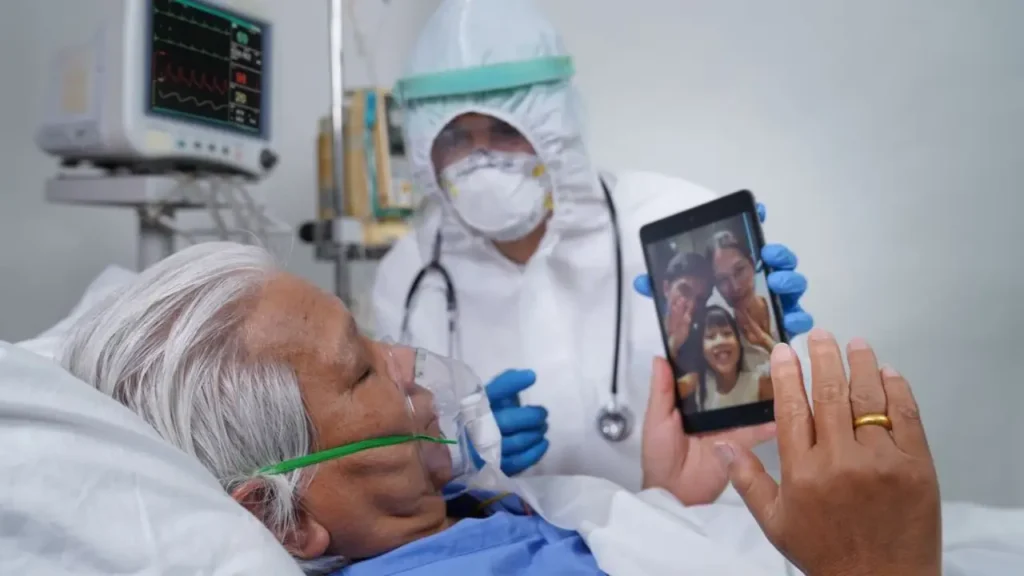
The fear of being admitted to an ICU is often linked to the stress of facing life-threatening conditions. This anxiety can be further heightened by the presence of numerous machines and monitors, as well as the separation from loved ones. At Kauvery Hospital, we make every effort to create a reassuring and supportive environment, allowing brief visits by family members and maintaining clear communication to help ease these fears.
What is Ventilator Support?
Ventilators play a crucial role in supporting patients’ respiratory systems. They are used for conditions such as respiratory failure, unconsciousness, heart failure, kidney failure, and severe sepsis. Ventilators have revolutionized intensive care, saving countless lives and becoming a staple in modern critical care medicine.
Can Patients Come Off Ventilators?
Thanks to advancements in medical technology, most patients are able to be weaned off ventilators successfully. The likelihood of success depends on factors such as age, underlying conditions, disease severity, and the duration of ventilator support. At Kauvery Hospital, we use state-of-the-art techniques and personalized care plans to maximize recovery potential.
Infections in the ICU
Patients in the ICU are more vulnerable to infections due to factors like immobility, weakened immune systems from illness and antibiotics, and the use of tubes and lines. To minimize infection risks, Kauvery Hospital implements rigorous infection control protocols, ensuring patient safety and well-being.
Why Are Patients Admitted to the ICU?
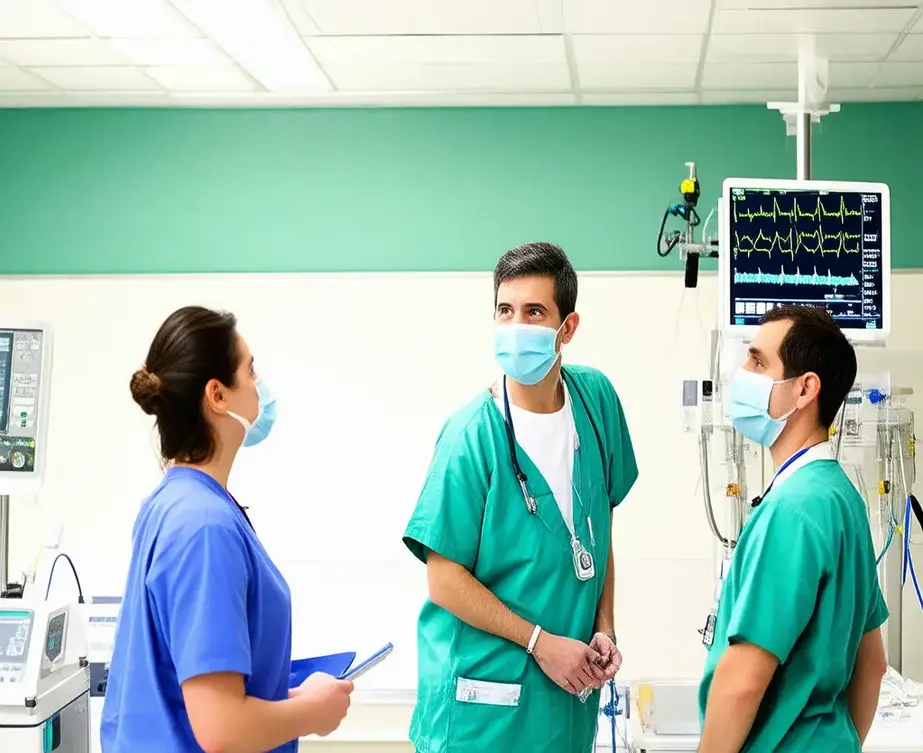
You may be admitted to an ICU if:
- You have a life-threatening medical condition.
- You need specialized care to support failing organs.
- You require constant, 24/7 monitoring by a highly skilled team of healthcare professionals.
Kauvery Hospital is dedicated to being a reliable partner in critical care, offering comprehensive and compassionate support during the most challenging health crises. For more information, click here.
About Dr. Buddhan Rajarathinam:
Dr. Buddhan Rajarathinam, a highly experienced and skilled specialist in Critical Care Medicine at Kauvery Hospital Vadapalani, brings a strong background in Anaesthesiology. With a proven track record, he excels in providing comprehensive care for patients with complex conditions, including respiratory failure, septic shock, cardiac emergencies, and trauma.